
Research Overview
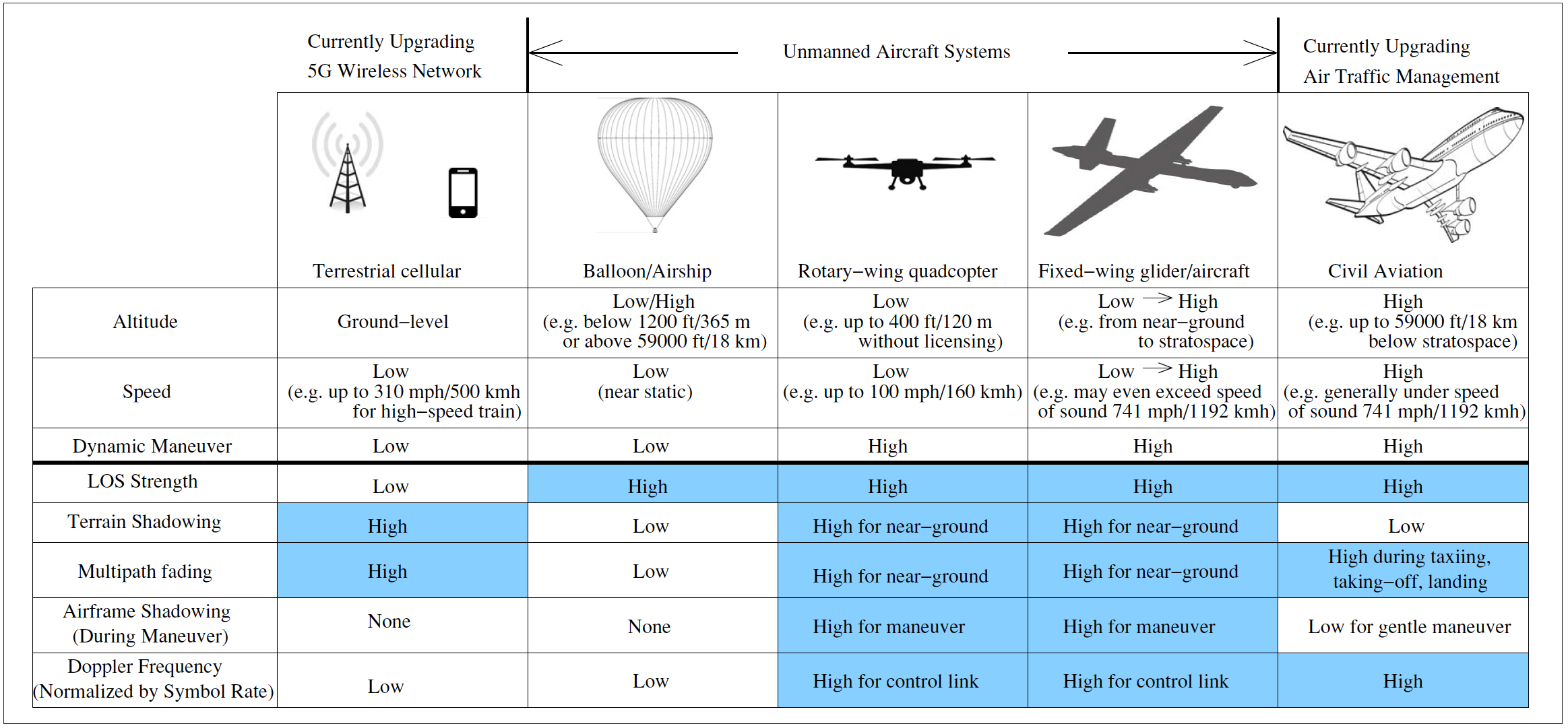
The original page, titled “6G Pervasive Intelligence”, begins by reviewing developments in 5G New Radio and the trade-offs of coherent versus non-coherent communication. It connects physical-layer flexibility to high-mobility and integrated terrestrial/aerial networks.
What Has Been Achieved in 5G?
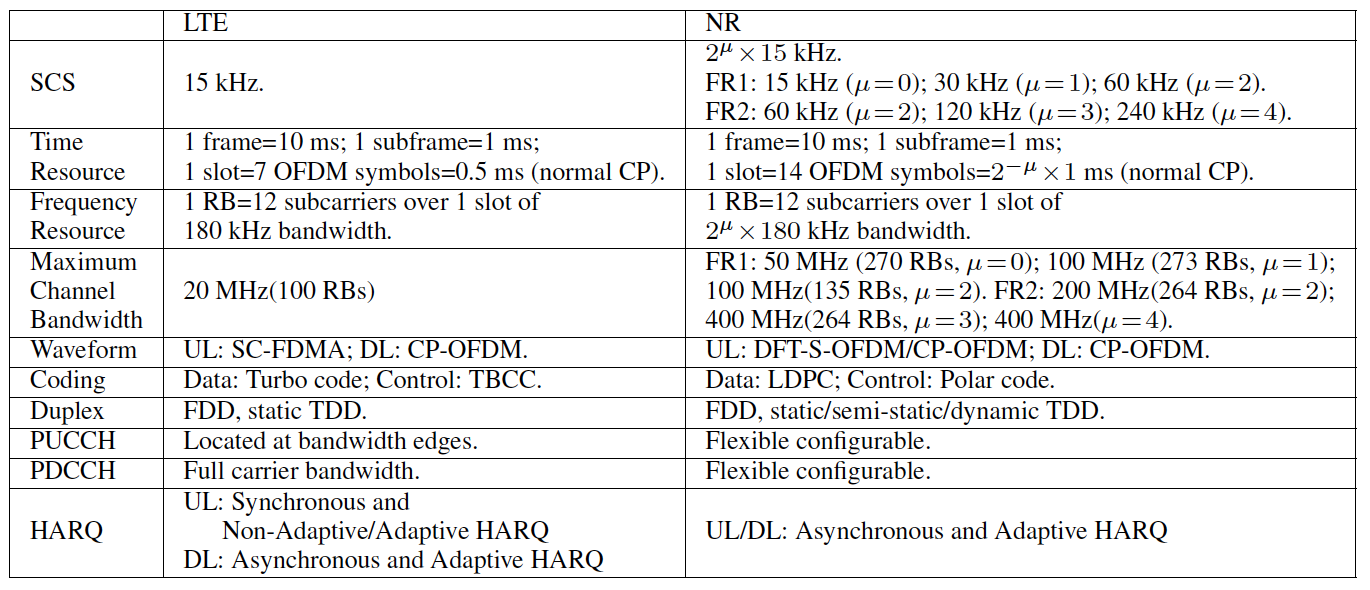
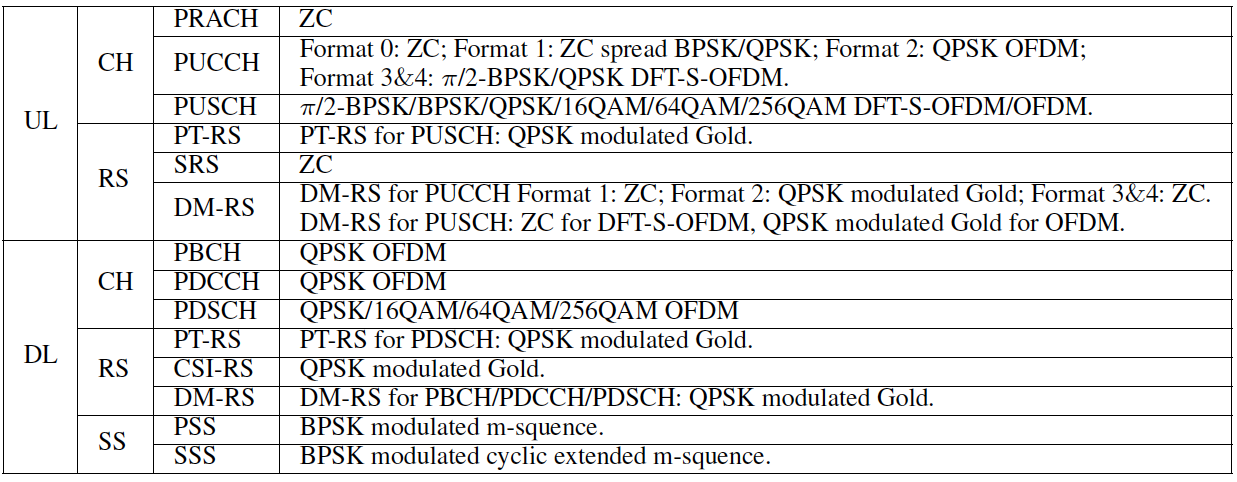
Key changes from LTE to 5G NR include flexible OFDM numerology, a broader range of channel bandwidths, polar coding for control information and LDPC for data, flexible reference signals and asynchronous adaptive hybrid ARQ. These capabilities also impose overhead in pilots, control signalling and error protection.
Selected Publications and Resources
- Sixty Years of Coherent Versus Non-Coherent Tradeoffs and the Road from 5G to Wireless Future
- The Development, Operation and Performance of the 5G Polar Codes
- User Association in 5G Networks: A Survey and Outlook
- Nonorthogonal Multiple Access for 5G and Beyond
5G NR modulation and reference signals
Coherent Versus Non-Coherent Adaptivity
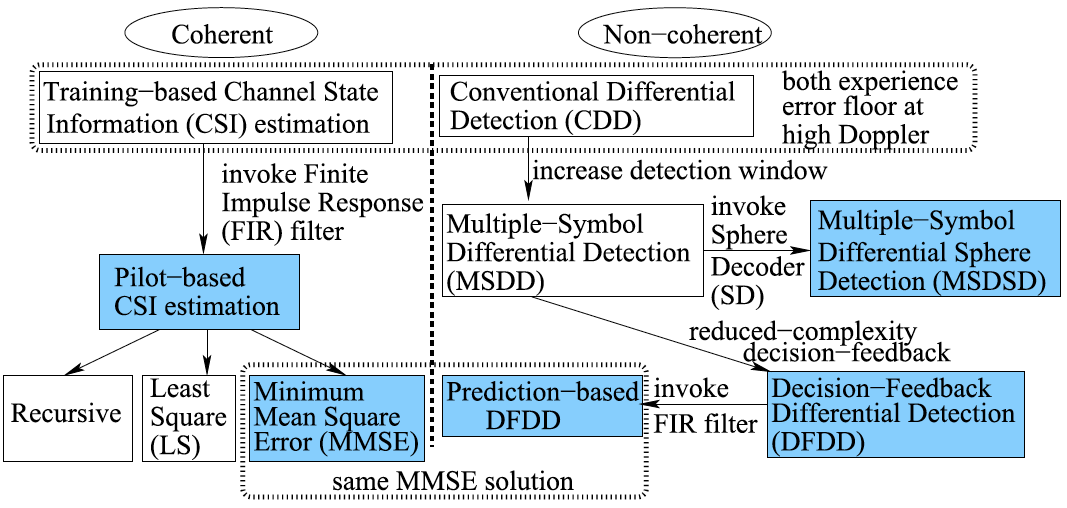
Coherent detection benefits from explicit channel estimates but may incur high pilot overhead and estimation errors at severe Doppler rates. Differential and multiple-symbol differential schemes reduce reliance on channel estimates, with sphere detection and prediction-based decision feedback addressing performance and complexity.
Selected Publications and Resources
- Adaptive Coherent/Non-Coherent Spatial Modulation Aided Unmanned Aircraft Systems
- Differential-Detection Aided Large-Scale Generalized Spatial Modulation Is Capable of Operating in High-Mobility Millimeter-Wave Channels
- Adaptive Coherent/Non-Coherent Single/Multiple-Antenna Aided Channel Coded Ground-to-Air Aeronautical Communication
- Single-RF Index Shift Keying Aided Differential Space-Time Block Coding
Terrestrial and aeronautical communication comparison
Coherent and non-coherent receiver taxonomy